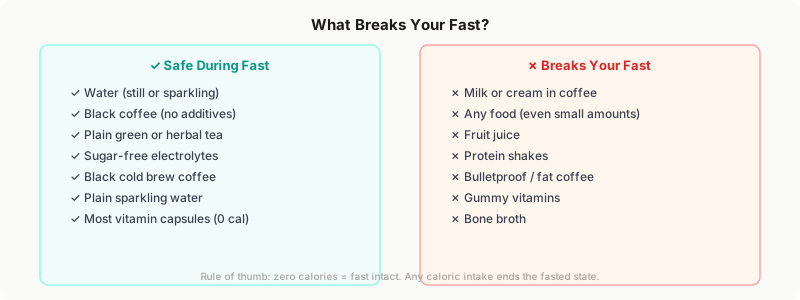
The most frequent question beginners have about intermittent fasting isn't "what should I eat?", it's "does [this] break my fast?" The answer depends on what you mean by "breaking" a fast.
There are two ways to think about it:
- Caloric break: Any food or drink with calories ends the fasted state and restarts your eating window clock.
- Metabolic/insulin break: Some zero-calorie items may trigger an insulin response even without calories, which could blunt some of the metabolic benefits of fasting, though the evidence here is more contested.
For most people doing 16:8 or 18:6 for weight management and general health, the practical rule is simple: zero calories = fast intact. Use our fasting calculator to track your eating window, then use this guide to confirm what's allowed during the fasting period.
What Does NOT Break Your Fast
1. Water
Plain water, still or sparkling, has zero calories and no insulin effect. Drink it freely. Staying hydrated during a fast reduces hunger, prevents headaches, and supports kidney function. Aim for at least 2–3 liters during a 16-hour fast.
2. Black Coffee
Black coffee (no milk, cream, or sweetener) has approximately 2–5 calories per cup, well below the threshold that disrupts fasting. Multiple studies confirm black coffee doesn't raise insulin levels meaningfully. It may actually enhance fat oxidation by increasing epinephrine and stimulating lipase activity. One cup in the morning during a 16:8 fast is standard practice for the majority of practitioners.
3. Plain Tea (Green, Black, Herbal)
Unsweetened tea, green, black, oolong, herbal, is calorie-free and fasting-safe. Green tea may modestly boost metabolism and fat oxidation. Earl Grey, chamomile, peppermint: all fine. Just don't add honey, milk, or sugar.
4. Sparkling Water
Sparkling water has zero calories. Despite myths that the carbonation "tricks" your body or "breaks" a fast, there's no mechanism by which CO2 bubbles affect insulin or glycogen. Flavored sparkling water (like plain LaCroix) is also fine as long as it has no calories.
5. Black Cold Brew Coffee
Same rules as hot coffee. Cold brew concentrate without additives is calorie-minimal and doesn't break a fast.
6. Electrolyte Water (No Calories)
Plain electrolyte supplements (sodium, potassium, magnesium) dissolved in water are calorie-free and helpful during extended fasts. They prevent electrolyte imbalance, a common cause of fasting headaches. Make sure the product shows zero calories on the label. Many sports drinks and "enhanced waters" have 10–50 calories per serving.
What DOES Break Your Fast
7. Milk or Cream in Coffee
Even a splash of whole milk (about 10–15 calories) technically breaks the fast. More importantly, milk and cream contain protein and fat that trigger insulin secretion, which ends the fasted metabolic state. If you need to add something to your coffee, wait until your eating window opens.
8. Bulletproof Coffee (Butter + MCT Oil)
Bulletproof coffee contains 200–400 calories from butter and MCT oil. It breaks a caloric fast definitively. Proponents argue that fat-only intake doesn't raise insulin and thus preserves some fasting benefits, this is partially true but contested. For standard 16:8 for weight loss, bulletproof coffee during the fast works against your goals.
9. Any Food, Including "Small" Amounts
One almond: ~7 calories. Half a protein bar: ~100 calories. A handful of blueberries: ~40 calories. All break the fast. The common rationalization that "it's barely anything" misses the point, the hormonal and metabolic response to food intake begins with the first calorie, regardless of amount.
10. Fruit Juice
Orange juice, apple juice, green juice, all contain significant sugar and calories. Even "cold-pressed" or "raw" juices typically have 100–150 calories per 12 oz serving. These break the fast rapidly and spike blood glucose.
11. Protein Shakes
Protein shakes contain amino acids that stimulate insulin secretion, particularly leucine. Even a shake with minimal carbohydrates breaks the fast from a metabolic standpoint. Save your shake for inside your eating window.
12. Diet Sodas (Contested)
Diet sodas have zero calories, but sweeteners like sucralose and aspartame are controversial in the fasting context. Some research suggests certain artificial sweeteners increase insulin response in some individuals. Other studies show no effect. The practical answer: if you're doing IF for weight loss and metabolic health, you're better off with plain water or black coffee. If an occasional diet soda keeps you on track, the real-world impact is probably minor.
13. Gum (With Sugar)
Regular chewing gum has 5–10 calories per piece and uses glucose or sugar alcohols. It breaks the fast. Sugar-free gum (xylitol-based) has fewer calories but does trigger salivation and digestive enzyme activity, this may stimulate hunger without providing fuel, which can make fasting harder.
14. Vitamin Supplements (Some)
Most plain vitamin capsules and tablets are calorie-free and fasting-safe. However, gummy vitamins typically contain 10–20 calories from sugar. Oil-based supplements (fish oil softgels, vitamin D in oil) contain a few calories but are unlikely to meaningfully disrupt a fast. If you're unsure, take supplements with your first meal.
15. Bone Broth
Bone broth contains 30–50 calories and meaningful amounts of protein per cup, enough to end a fast and trigger an insulin response. It's sometimes promoted as "fasting-safe" in extended fasting contexts, but it definitively ends a standard 16:8 fast.
Does the Goal of Your Fast Change the Rules?
The short answer: yes, slightly. If you're fasting specifically for weight loss and calorie reduction, a few calories from cream in your coffee probably won't derail you. But if you're fasting for autophagy activation or maximum insulin suppression (common goals in therapeutic fasting), even small caloric inputs can interrupt those processes.
For most people doing 16:8 for general health and weight management, the practical rule is simple: zero calories during the fasting window. This makes the protocol easy to follow without needing to calculate whether your 20-calorie splash of cream crosses a threshold.
Some practitioners follow a stricter interpretation for specific weeks to "reset" their sensitivity, then relax back to black coffee with a small amount of cream during maintenance phases. This flexible approach works well for long-term adherence once you understand which inputs matter most for your goals.
Apple Cider Vinegar: A Special Case
Apple cider vinegar (ACV) is frequently promoted as fasting-safe. One tablespoon has only 3 calories, and some research suggests it may improve insulin sensitivity. However, ACV does trigger gastric acid production and can increase hunger in some people. Plain diluted ACV (1 tablespoon in 8 oz water) is unlikely to meaningfully break a fast, but if you find it increases appetite, skip it during the fasting window and take it with your first meal instead. The insulin-sensitizing benefits of ACV are retained regardless of when you consume it relative to your fast.
The Bottom Line
During your fasting window, stick to water, black coffee, and plain tea. Everything else either has calories (which breaks the fast directly) or is contested enough that avoiding it is the safer default approach.
Track your fasting window with our intermittent fasting timer. Enter your last meal time and your chosen protocol, and you'll know exactly when you can eat, no guesswork needed and no math required. If you're ready to break your fast, our guide on the best foods to break a fast covers exactly what to eat when your eating window opens.