Intermittent fasting is the most researched dietary pattern of the past decade, and also the most misunderstood. It isn't a diet. It doesn't tell you what to eat. It only tells you when to eat. That distinction is what makes it sustainable for most people who try it.
This guide covers everything you need to start intermittent fasting correctly: how to pick your first protocol, what the first week feels like, common traps, and how to use a fasting calculator to keep your schedule on track.
What Is Intermittent Fasting?
Intermittent fasting (IF) is a pattern of eating that alternates between fasting periods and eating windows. During the fasting period, you consume no calories, water, black coffee, and plain tea are fine. During your eating window, you eat normally.
The most well-studied protocols are:
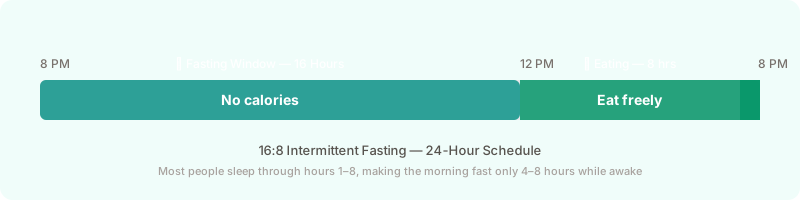
- 16:8, Fast 16 hours, eat within an 8-hour window
- 18:6, Fast 18 hours, eat within a 6-hour window
- 20:4, Fast 20 hours, eat within a 4-hour window
- OMAD, One meal a day, roughly a 23:1 ratio
The science behind these protocols centers on two mechanisms: insulin suppression and metabolic switching. When you fast, blood glucose and insulin drop. After roughly 12–16 hours, your liver depletes its glycogen stores and begins producing ketone bodies from fat, this is metabolic switching. Autophagy (cellular cleanup) also accelerates in this window, which is why researchers like Dr. Mark Mattson at NIH have called fasting a "metabolic switch" rather than just calorie restriction.
Which Protocol Should You Start With?
Start with 16:8.
For most people, 16 hours is long enough to trigger meaningful metabolic benefits without being difficult to maintain. Crucially, most of those 16 hours overlap with sleep. If you finish eating at 8 PM and wake up at 7 AM, you're already 11 hours into your fast before your day starts. You only need to skip breakfast and hold off until noon, a much smaller lift than it sounds.
Don't start with OMAD or 20:4. Those require adaptation that 16:8 already builds. Going too restrictive too fast leads to rebound hunger, binge eating in the eating window, and quitting within two weeks.
How to Set Your Eating Window
Pick an eating window that fits your social life. The most common windows are:
- 12 PM – 8 PM (finish dinner at 8, eat lunch at noon)
- 10 AM – 6 PM (earlier dinner, good for morning exercisers)
- 1 PM – 9 PM (later breakfast crowd, suits people who work late)
Use our intermittent fasting calculator to confirm your exact fast-end time. Here's an example: if you last ate at 7:30 PM (hour 19, minute 30) on a 16:8 protocol, your fast ends at 11:30 AM the next day. That's when your eating window opens. Enter these numbers and you'll see it instantly, no math required.
What to Expect in the First Week
Days 1–2: Hunger peaks around your usual breakfast time. This is conditioned hunger, not true hunger. Your body is used to receiving food at certain times. It passes within 20–30 minutes if you stay busy and drink water or black coffee.
Days 3–4: Hunger becomes less pronounced. Blood sugar stabilizes during the fasting period because gluconeogenesis (the liver making glucose from non-carb sources) kicks in more reliably.
Days 5–7: Most people report a noticeable improvement in morning mental clarity. This is the result of lower baseline insulin and beginning ketone production. Some people describe it as "focus without jitteriness."
Common side effects in week one include mild headaches (usually from reduced caffeine intake, black coffee is fine to keep) and irritability. Both resolve by week two for most people.
What You Can and Can't Drink During a Fast
You can drink:
- Water (still or sparkling)
- Black coffee (no cream, no sweetener)
- Plain green, black, or herbal tea
- Electrolyte water with no calories
You cannot drink:
- Anything with calories, including milk, cream, fruit juice, protein shakes
- Diet sodas (technically zero calories, but sweeteners may trigger insulin response in some people, this is debated)
- Bulletproof coffee or "fat fasting" coffee drinks
Read our full breakdown of what breaks a fast for a detailed list.
Eating During Your Window
IF doesn't require calorie counting, but the quality of your eating window matters. Eating 2,500 calories of processed food in 8 hours and calling it 16:8 will produce poor results. The most effective approach:
- Eat 2–3 meals during your window, not continuous snacking
- Prioritize protein at each meal (0.7–1g per pound of body weight is a common target)
- Don't compensate for the fasting period by overeating, satiety hormones tend to naturally reduce intake for most people
- Break your fast with a protein-rich meal, not refined carbs
How to Stay Consistent
The single biggest predictor of IF success is timing consistency. Fasting at wildly different times each day disrupts the circadian alignment that makes it effective. Try to start and end your eating window within a 1-hour range most days.
Use our fasting window calculator at the start of each day. Enter the previous night's last meal time and you'll have your exact fast-end time in seconds. This removes any mental friction about "can I eat yet?"
People who track their windows, even informally, are significantly more consistent than those who estimate. A 2020 study published in Cell Metabolism found that participants who time-tracked their eating window lost more weight and had better metabolic improvements than those who followed IF without tracking.
Common Beginner Mistakes
Eating right up until bedtime. If your last meal is at 11 PM and you wake up at 7 AM, you've only fasted 8 hours before your morning. Push your dinner earlier to capture a full 16-hour window before the noon eating window opens.
"Breaking" the fast with a snack. One handful of cashews at 10 AM ends your 16-hour plan. The fasting clock resets with any caloric intake.
Expecting immediate weight loss. IF works, but not overnight. Most clinical studies show meaningful body composition changes at 8–12 weeks. Give it a full month before evaluating results.
Ignoring protein. Undereating protein during IF leads to muscle loss alongside fat loss. Make sure your eating window includes sufficient protein, especially if you exercise. See our guide on fasting and exercise for timing specifics.
How Long Until You See Results?
Most people notice reduced hunger and improved morning energy within 1–2 weeks. Body composition changes, visible fat loss, typically appear at 4–8 weeks with a mild calorie deficit alongside IF. Metabolic markers like fasting glucose and triglycerides can improve within 4–6 weeks.
IF is not a short-term intervention. The research showing the strongest benefits (insulin sensitivity, cardiovascular markers, cognitive performance) comes from studies of 12 weeks or longer.
Getting Started Today
- Pick the 16:8 protocol
- Choose a realistic eating window (noon–8 PM works well for most people)
- Set your last-meal time for tonight
- Use the fasting schedule calculator to see exactly when your first window opens tomorrow
The first three days are the hardest. After a week, most people wonder why they waited so long. Learn more about our methodology and how we approach fasting science on the About page.